
How Hormones Change During Pregnancy and Affect Your Body
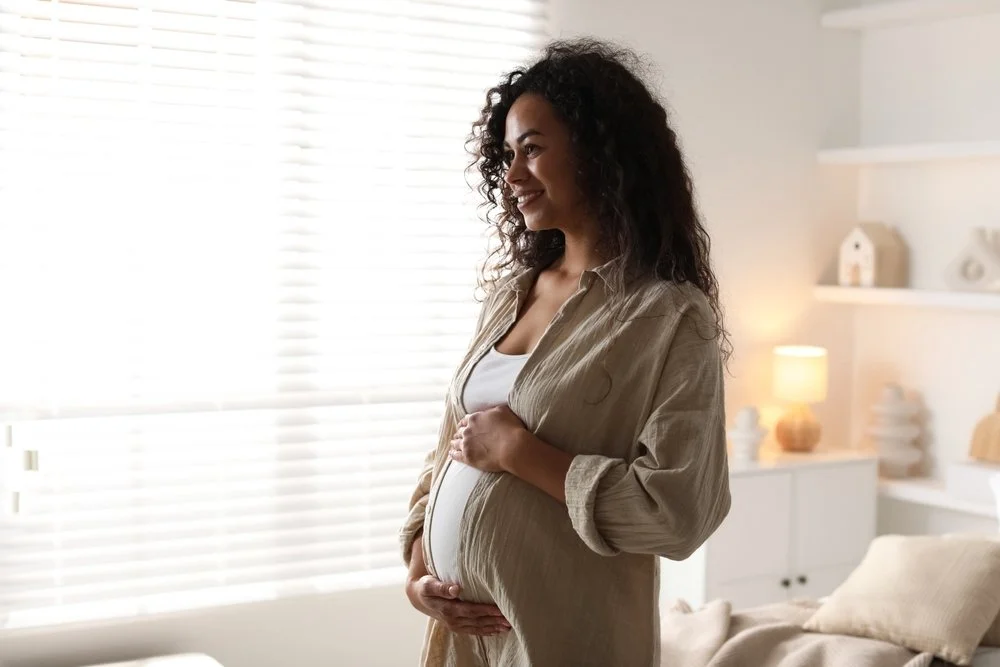
Pregnancy changes you in so many ways. You can easily see and feel many of the physical changes, like a growing belly or tender breasts, while others are happening quietly behind the scenes. At the heart of all these physical, mental, and emotional changes are your hormones.
Hormones are your body’s messengers. They send signals that help you grow a baby, and they fluctuate as you prepare for birth and get ready for life as a parent. The shifts they cause can sometimes feel confusing, especially when it comes to hormones and mood. Understanding them can help you feel in tune with your body and more confident in your journey to motherhood.
We prepared this guide to give you a better understanding of the main hormones involved in pregnancy and how they affect your body.
The Role of Hormones in Pregnancy
Hormones are responsible for coordinating every stage of your pregnancy. They affect how your body changes, how you feel, and even how you bond with your baby.
We’re going to get a little sciency, but it’s for a good reason! Knowing what’s happening with your hormones during pregnancy can help you make sense of the ups and downs. It’ll allow you to fully embrace the incredible work your body is doing.
The Main Pregnancy Hormones
If you’ve ever wondered about a specific pregnancy hormone name you’ve heard from your provider or read about, here are the most common ones you’ll come across during pregnancy:
Human Chorionic Gonadotropin (hCG): Helps maintain the early stages of pregnancy and is the hormone detected in pregnancy tests.
Progesterone: Supports the uterine lining, helps prevent contractions too early, and plays a role in mood regulation.
Estrogen: Increases blood flow, supports fetal development, and contributes to breast changes.
Relaxin: Loosens ligaments and joints to prepare your body for birth.
Human Placental Lactogen (hPL): Helps with metabolism changes, ensuring your baby gets enough nutrients.
Oxytocin: Stimulates contractions during labor and supports bonding after birth.
Prolactin: Prepares your breasts for milk production.
Pregnancy Hormonal Changes by Trimester

Each of the hormones we listed above plays a different role during pregnancy. Let’s take a look at how their levels fluctuate depending on your stage in pregnancy and your body’s needs.
First Trimester: Getting the Body in Gear
In the early weeks of pregnancy, hCG rises rapidly and peaks around 8-11 weeks. It’s letting your body know you’re pregnant and keeping your uterine lining in place
Progesterone and estrogen are also rising. They’re supporting the pregnancy but also slowing down muscles and digestion (hello, constipation and fatigue). This is also when morning sickness starts to rear its head, thanks in part to that hCG surge.
During this stage, you might feel more tired, more emotional, and more sensitive to smells and tastes. These are signs that your body is working overtime to adjust and prepare.
Related: When Does Nausea Start in Pregnancy?
Second Trimester: The Honeymoon Phase
During the second trimester, the placenta becomes the brains of the operation. It assumes full control of hormone production. hCG plateaus at a lower level than in early pregnancy, while progesterone and estrogen keep climbing with more gradual changes. This tends to be the most comfortable stage of pregnancy as nausea fades and energy returns.
Meanwhile, hormones like human placental lactogen (hPL) begin to shift your metabolism. They’re redirecting nutrients to your baby first, then to you. You may notice your skin changing color in spots (thanks, melanin-stimulating hormones), your breasts growing in preparation for milk, and your joints feeling a little looser as relaxin quietly gets your pelvis ready for birth.
You can still expect a bit of an emotional rollercoaster . A lot of parents, however, feel a renewed sense of energy and even joy during this time.
Third Trimester: The Final Stretch
Estrogen and progesterone are now at their peak. They’re keeping your uterus calm while also priming it for labor by increasing your oxytocin receptors. Relaxin ramps up again, softening ligaments and the cervix for birth.
Prolactin is getting your milk supply ready, and some parents even notice a little colostrum leaking before birth. Other physical changes you may experience at this stage include swelling, heartburn, back aches, and interrupted sleep.
If you haven’t felt it already, you may feel the urge to clean and get everything for your baby’s arrival. That’s your natural nesting instinct taking over. It’s not entirely clear what causes it, but hormonal changes in your body are likely involved.
Read More: The Main Stages of Pregnancy — The 1st, 2nd & 3rd Trimester
FAQs About Pregnancy Hormones
Do pregnancy hormones affect everyone the same way?
Not exactly. While the hormonal patterns are the same for all pregnancies, how they make you feel can be different. You might experience very different symptoms compared with someone with similar hormone levels, depending on your body, your health, and even your sensitivity to certain hormones.
Why do I feel emotional during pregnancy?
Estrogen and progesterone. They affect your brain chemistry and make some people more sensitive to emotional highs and lows. Add in the life changes and anticipation of meeting your baby, and feeling emotional makes sense!
Can pregnancy really cause “pregnancy brain”?
Hormonal changes can influence memory and focus, and so can disrupted sleep or stress. Many parents notice it fades in the months after birth. A recent study found that pregnancy causes changes in the brain, like decreased gray matter volume.
Will my hormones go back to normal after I give birth?
Postpartum hormone changes start right away after giving birth, especially estrogen and progesterone. It can take weeks or months for hormone levels and symptoms to settle, however. Breastfeeding keeps some hormones, like prolactin and oxytocin, higher for longer.
If your symptoms ever feel bigger than expected, or you’re curious about how to balance hormones naturally during pregnancy, we can help. Our midwives offer gentle, evidence-based approaches for hormonal imbalance help, tailored to your needs and safe for both you and your baby.
Embrace Your Body’s Natural Hormonal Shifts
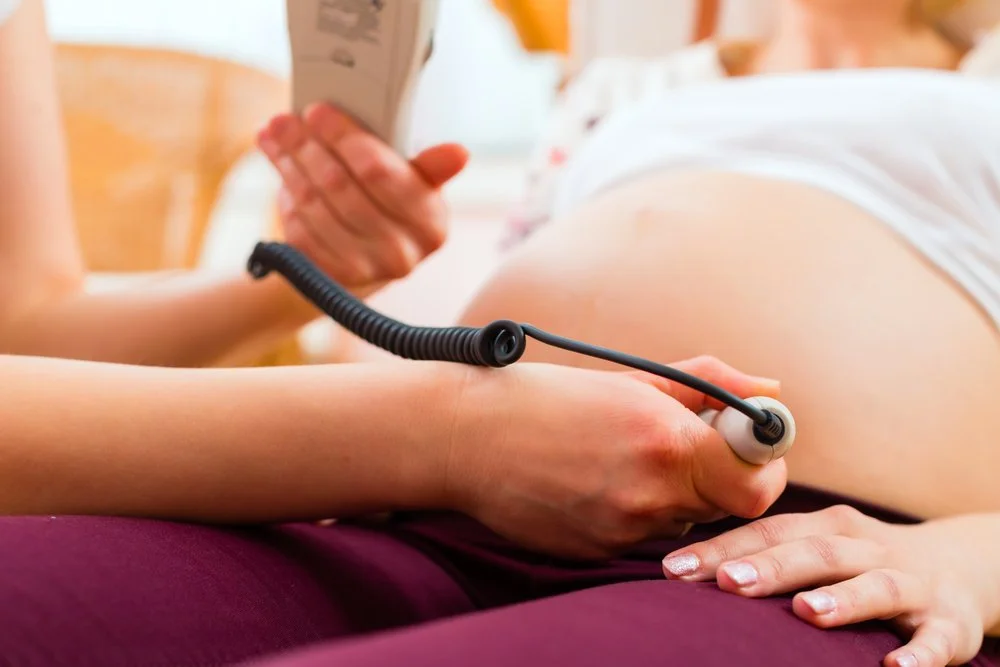
Every hormone shift you experience during pregnancy is working toward one goal: welcoming a new baby into your life.
Our job as Certified Professional Midwives is to guide you through these changes. We’re here to answer your questions and support you with evidence-based care every step of the way. When you understand what your body is doing, it’s easier to trust it through the process.
If you’d like to talk more about how we can support you during your pregnancy, birth, and beyond, feel free to schedule a consultation with us. You’re in charge of your experience, and we’re here to walk it with you.