
The Role of a Midwife in a Successful & Healthy Home Birth

Midwives attended 12% of births in 2021. Those included births in hospitals, homes, and birth centers. While less than 2% of births in the U.S. are home births, they are becoming more popular. That’s thanks in large part to midwives and the midwifery model of care.
The midwifery care model sees the birthing parent and baby as a dyad. It emphasizes providing birthing parents with everything they need to make informed choices and give birth naturally and comfortably. But what exactly is the role of a midwife, and what are the real benefits of a midwife during a home birth?
In this article, we’ll break down midwife responsibilities, how they provide support, and ensure home birth safety.
Key Takeaways:
Midwives center you and your baby as a unit and support natural, informed birth choices.
Home birth offers comfort, autonomy, and continuous expert support.
Midwives receive extensive training to care for families before, during, and after birth.
Prenatal visits with midwives are personal and focused on whole-person care.
During labor, midwives handle monitoring, comfort measures, home birth safety, and newborn care.
Postpartum care includes home visits, feeding support, emotional care, and newborn check-ups.
Why consider a home birth with a midwife?
Choosing a home birth with a midwife is really about creating a birthing experience that feels entirely your own. When you’re in your own space, everything from the lighting to the sounds to the people around you supports your sense of calm. That comfort can make a real difference during labor, and help your body settle into its natural rhythm. A Certified Professional Midwife brings skilled, evidence-based care right into that environment so you can connect with your power and move through birth on your terms.
The home birth process gives you the freedom to listen to your body. You’re not confined to a specific room or position. You can labor in the bath, lean into your partner, move from space to space, or settle into one spot when the time feels right. You’re surrounded by your chosen support system, like partners, older children, friends, and your midwife is right there offering hands-on comfort measures, reassurance, and detailed monitoring throughout the labor and birth process. That blend of autonomy and expert guidance is something many parents find deeply grounding.
And once your baby arrives, you get to stay right where you are. No bright overhead lights or rushing to separate you from your newborn. Just uninterrupted bonding, skin-to-skin contact, and steady emotional support while your midwife keeps an eye on both you and your baby.
The choice of where and how to give birth is highly personal, and opting for a home birth with a midwife keeps things personal. It’s a decision that keeps you at the center of your birthing experience.
Read More: Reasons to Consider Home Birth Over a Hospital Birth
What are midwives trained to do?
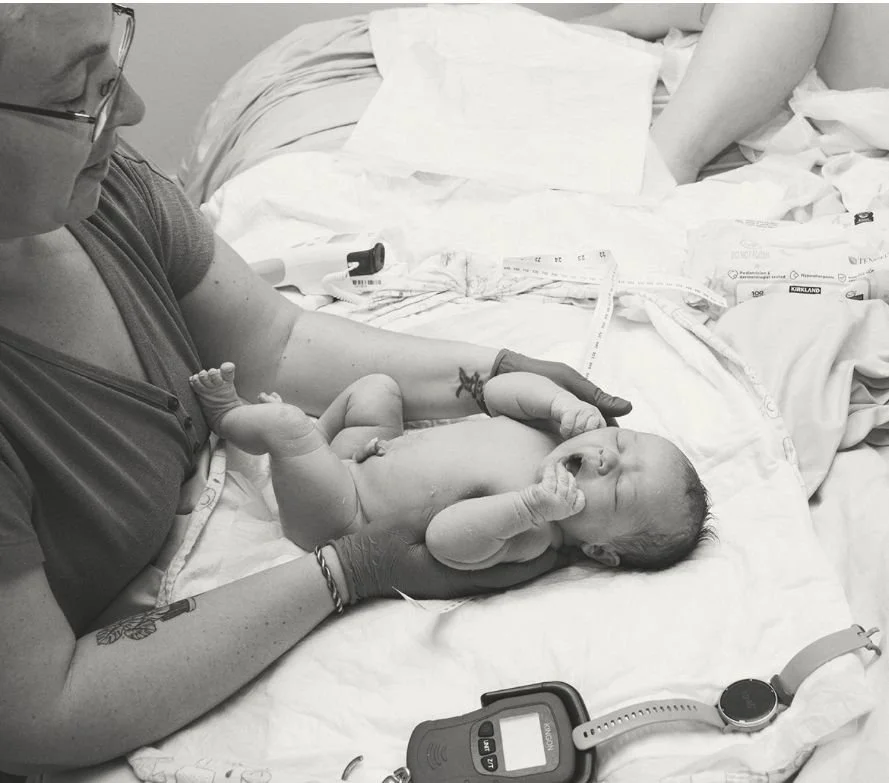
Midwives are trained to provide comprehensive care before, during, and after birth. Their education prepares them to monitor the health of both the birthing person and the baby, while providing evidence-based guidance.
Different midwives complete different training pathways, but all are grounded in rigorous, hands-on education.
Certified nurse midwives come from a nursing background with advanced medical training, and they’re prepared to offer a wide range of reproductive health services, usually in hospital settings.
Certified professional midwives follow a specialized path that includes college-level education, extensive clinical training, and attendance at hundreds of births. They are trained specifically for out-of-hospital care and are the leading experts in home birth across the United States.
Beyond those two groups, there are also midwives who complete formal programs, apprenticeships, and in-depth coursework to build their skills. No matter the pathway, midwives are trained experts in physiologic birth.
Related: Is an OB-GYN or a Midwife Right for You?
How Midwives Prepare for Home Births
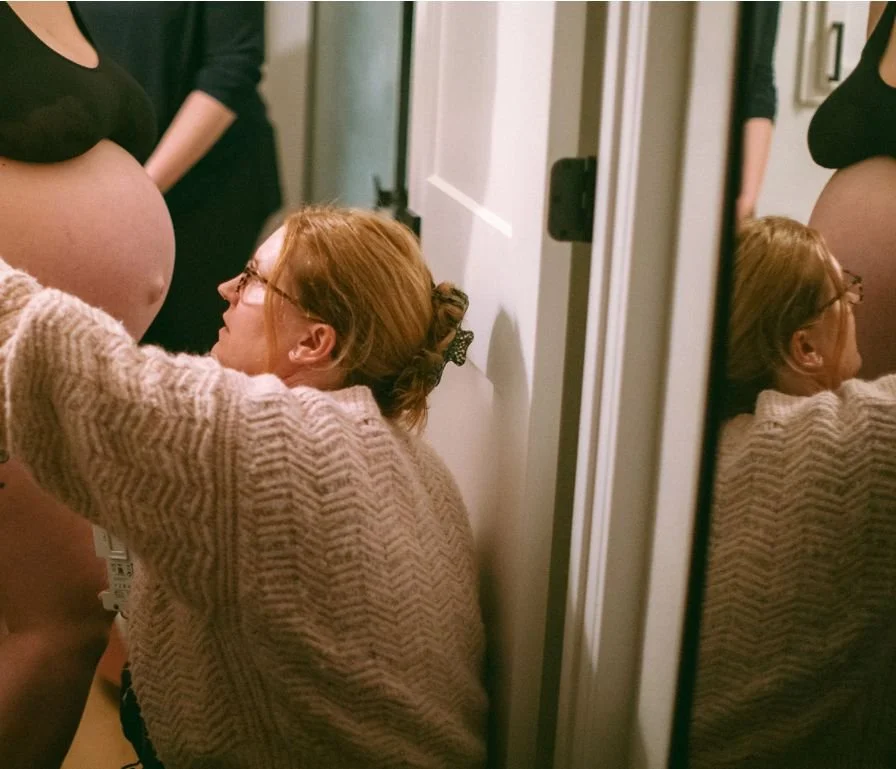
When it comes to midwife prenatal care, things are intentionally slow and personal. There are no quick in-and-out visits. Instead, midwives take the time to get to know you and build a relationship through comprehensive home visits.
At Hearth & Home, for example, our midwives have hour-long appointments every four weeks until 28 weeks pregnant, every other week from weeks 28 to 36, and every week after 36 weeks until labor.
During prenatal appointments with a midwife, they’ll check in on both you and your baby with standard assessments. You can expect things like:
Blood pressure, weight, and fundal measurements
Assessments of your baby’s position and heartbeat
Routine labs or screenings, including referrals for ultrasounds when needed
They’ll also walk you through nutrition, movement, comfort measures, and answer your questions. Many midwives stay available by phone or text, so you always feel supported. During your midwife's prenatal care, you’ll create a birth plan together that reflects your values.
What Midwives Do During Labor and Birth
The list of midwife responsibilities during the home birth process is long. When labor begins, your midwife stays in close contact and guides you on when it’s time for them to head your way.
During labor and delivery, midwife responsibilities include:
Preparing your space so it feels warm, safe, and ready for labor;
Setting up equipment, including monitoring tools and emergency supplies;
Checking in on you and your baby with vitals, fetal heartbeat checks, and gentle assessments;
Offering hands-on comfort measures like massage, breathworth, warm water therapy, and position changes;
Supporting natural pain management without unnecessary interventions;
Working as a team with your partner, doula, and/or chosen support people;
Keeping labor safe and on track, and discussing options if anything shifts;
Coordinating transfers and staying by your side if hospital care becomes the safest choice;
Guiding you through pushing in whatever position feels right for your body;
Catching your baby or helping your partner do so, if that’s part of your plan;
Managing the placenta delivery and providing stitches if needed.
In short, during a midwifery care home birth, you can expect your midwife to take care of everything from the moment you enter labor to the moment you’re holding your newborn in your arms.
The Postpartum Role of Midwives
After you’ve given birth, your midwife will stay with you to make sure those first hours feel calm and supported. They keep a close eye on both you and your baby, help with skin-to-skin bonding, and perform a newborn exam once you’ve had a little time to settle in. If you choose newborn treatments or screenings, your midwife can provide those too before helping you get tucked into your own bed.
In the days and weeks that follow, you will have several midwife postpartum care visits focused on your recovery and your baby’s health. Early visits often happen right in your home. Your midwife checks on feeding, growth, diaper output, and any newborn concerns while also monitoring your healing and answering the many questions that come up during this stage.
This level of care is deeply supportive. Midwives help with feeding, keep an eye on your emotional well-being, and stay easy to reach between visits. By the time your postpartum care wraps up, you’ll feel more confident, more grounded, and well cared for.
FAQs About the Role of a Midwife
What does a midwife actually do during a home birth?
They monitor you and your baby, support natural pain relief, guide you through each stage of labor, keep everything safe, and help you welcome your baby into your arms.
Are midwives medically trained?
Yes. Midwives complete rigorous, hands-on training. Certified nurse midwives train through nursing programs, and certified professional midwives are the experts in out-of-hospital birth.
How do midwives prepare you for a home birth?
Through long, relationship-based prenatal visits where they check your health, answer questions, create a birth plan, and help you feel ready for your baby’s arrival.
Do midwives stay after the birth?
Absolutely. They remain with you for those first hours, support skin-to-skin bonding and breastfeeding, offer newborn exams, and return for postpartum visits.
Is home birth safe with a midwife?
For healthy, low-risk pregnancies, midwife-assisted home birth is a safe option. Midwives are trained to recognize complications and coordinate hospital transfers when needed.
Welcoming Your Baby, Your Way

At the center of midwifery care is you. From preparing for a home birth to postpartum care, midwives are trained to make sure your birth goes smoothly and according to plan. They provide a personalized experience, which, unfortunately, is simply not available with a traditional hospital birth.
If you’d like to learn more about the role of a midwife during a home birth, make sure to check out our podcast episode all about home birth midwifery. And if you have any questions about how to choose a midwife or are considering a natural midwife home birth in Portland, feel free to schedule a consultation.